
The 50/30/20 Rule: Your Simple Guide to Managing Money
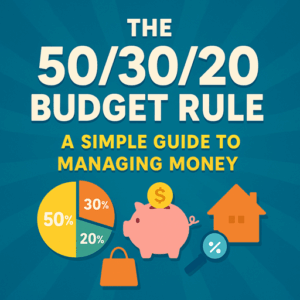
If you want an easy, effective way to start budgeting, the 50/30/20 rule is one of the best and most popular strategies. This simple budgeting method allocates your after-tax income into three clear categories: needs (50%), wants (30%), and savings (20%). Following this rule can make your money management routine stress-free, keeping you on track—no spreadsheets or complicated math necessary.
Key Takeaway
The 50/30/20 rule is a proven, simple budgeting method that divides your after-tax income into 50% needs, 30% wants, and 20% savings, making money management straightforward for any budget.
How the 50/30/20 Rule Works
1. 50% for Needs
Half of your after-tax income goes toward expenses you absolutely must cover. These are your essentials:
-
-
- Rent or mortgage payments
- Utilities (electricity, water, gas)
- Groceries
- Transportation (car payments, gas, public transit)
- Health insurance and healthcare costs
- Minimum required debt payments
-
If you could lose your home, transportation, or health without paying for it, it’s a need.
2. 30% for Wants
Use up to 30% of your income on the fun stuff—the things you enjoy but don’t need for survival:
-
-
- Dining out or takeout
- Streaming services and entertainment
- Vacations and travel
- Hobbies, gym memberships, shopping
-
Cutting back on wants is the fastest way to free up more money for savings or tackle unexpected expenses if needed.
3. 20% for Savings and Debt Payments
The remaining portion of the 50/30/20 budget framework focuses on your financial goals, such as savings and debt repayment. This is devoting 20% to saving for the future and building financial security:
-
-
- Emergency fund contributions
- Retirement savings (401(k), IRA)
- Additional debt payments above the minimum (like credit cards or student loans)
- Savings goals (home, car, large purchases)
-
Automating these transfers is a great simple budgeting method to ensure you never forget to pay yourself first.
Table: 50/30/20 Budgeting Rules Breakdown
| Category | Percentage of Income | Example Expenses | Why It Matters |
|---|---|---|---|
| Needs | 50% | Housing, groceries, utilities, insurance | Essential for survival and stability |
| Wants | 30% | Dining, streaming, shopping, hobbies | Improves quality of life, but nonessential |
| Savings & Debt | 20% | Emergency fund, retirement, extra debt | Builds financial security and freedom |
Frequently Asked Questions: 50/30/20 Rule and Simple Budgeting Methods
Q1. How am I to start using the 50/30/20 rule?
-
- Start by calculating your after-tax (net) income. This is the amount of money you take home after taxes.
- Divide your income: 50% goes to needs, 30% to wants, and 20% to savings or extra debt payments.
- For example, if your monthly net income is $3,000, allocate $1,500 to needs, $900 to wants, and $600 to savings and debt repayment.
- If your needs category is over 50%, don’t stress—use the rule as your target and adjust as your finances improve.
Q2. What if my “needs” are higher than 50% of my income?
-
- If needs like rent, utilities, food, and minimum debt payments take up more than half your income, look for ways to cut back:
- Consider moving to a less expensive home, negotiating bills, or lowering expenses in the “wants” category (like subscriptions or dining out).
- Trimming optional spending can help bring your needs closer to the 50% goal over time.
Q3. Can I customize the 50/30/20 rule?
-
- Absolutely! The 50/30/20 split is just a guideline to get you started.
- Adjust the percentages to fit your situation (ex: 50/20/30 if you want to spend more on entertainment, or 40/30/30 if you want to save aggressively).
- Personalizing the rule is encouraged if it helps you stay consistent and motivated.
Q4. Are debt payments counted in “needs” or “savings/debt”?
-
- Minimum payments on loans and credit cards count as “needs” since they must be paid every month to stay current.
- Any extra you pay toward debt (above the minimum) belongs in the “savings/debt” category—this is how you make faster progress knocking out debt.
Q5. Where can I find budgeting tools to help?
-
- Budgeting apps like YNAB (You Need A Budget), Mint, and EveryDollar make it easy to track your spending and stick to your 50/30/20 allocations.
- Many financial websites and banks offer free calculators and tools to help you set and track your targets for needs, wants, and savings.
Recommended Reading
Round Up Apps That Help You Save Automatically Looking for an effortless way to grow your savings? Round-up savings apps automatically help you save spare change from everyday purchases—making financial progress simple, even if you’re not a natural saver. If you’re searching for the best automatic savings apps, here’s an up-to-date comparison of how popular picks like Acorns, Chime, […]
How to Choose the Right Credit Card
How to Choose a Credit Card for Your Financial Goals How to Choose the Right Credit Card. Choosing the right credit card can be a powerful step toward reaching your money goals—whether that means earning travel rewards, maximizing cash back, or building your credit. This guide walks you through exactly how to choose a credit […]
How to Repair Your Credit Fast
How to Repair Your Credit Fast: A Step-by-Step DIY Guide Whether you’re looking to qualify for a new loan or just want a clean financial slate, you CAN repair your credit yourself—often faster than you think. This step-by-step guide gives you the actionable tools and proven strategies you need to boost your score, correct mistakes, […]
What Is a Good Credit Score? Ranges for 2024 and What They Mean Knowing what counts as your good credit score in 2024 is key if you’re aiming to get approved for loans, access lower interest rates, or strengthen your overall financial well-being. In this guide, we’ll explore the current credit score ranges, what they […]
Final Thoughts
The 50/30/20 rule offers a straightforward and powerful approach to starting a budget and developing strong financial habits. By focusing on needs, wants, and savings, you’ll create a clear path toward financial peace of mind—without complicated spreadsheets or strict categories. Remember, it’s a starting point, not a strict rule. Adjust as needed, and use digital tools to keep things simple and stress-free.