What Is a Good Credit Score?
Ranges for 2024 and What They Mean
Knowing what counts as your good credit score in 2024 is key if you’re aiming to get approved for loans, access lower interest rates, or strengthen your overall financial well-being.In this guide, we’ll explore the current credit score ranges, what they mean in everyday life, and how you can monitor and improve your score using tools like Credit Karma.
Credit Score Ranges for 2024
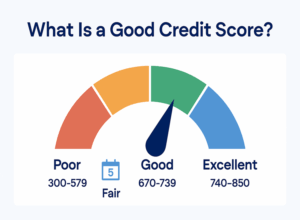
A credit score is usually a three-digit number ranging from 300 to 850. Here’s how those ranges are classified and what they mean:
| Credit Score Range | Rating | What It Means |
|---|---|---|
| 300–579 | Poor | Major concerns for lenders; likely denials |
| 580–669 | Fair | May qualify, but often at higher rates/fees |
| 670–739 | Good | Viewed favorably for most lending decisions |
| 740–799 | Very Good | Strong approval odds, better rates and terms |
| 800–850 | Excellent | Opens doors to the best rates and offers |
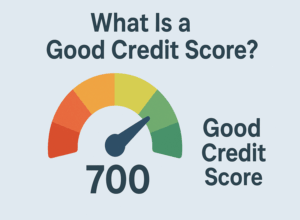
A good credit score for you would typically start at 670. If you reach or surpass this number, you’ll enjoy far more favorable lending opportunities and overall financial flexibility.
How Credit Score Ranges Impact Real-World Decisions
Loan and Credit Card Approvals
- Poor (300–579): Applications for loans or credit cards are often declined. If you are approved, expect extremely high interest rates and small credit limits.
- Fair (580–669): More options open up, but you’ll typically face higher fees and less favorable terms.
- Good (670–739): You’re likely to qualify for most loans and competitive credit cards with moderate-to-low rates.
- Very Good (740–799): Lenders consider you low risk and extend favorable rates, higher loan limits, and special reward cards.
- Excellent (800–850): Top-tier status. You can access the lowest interest rates, highest credit limits, and best cash-back or rewards programs.
Real-World Examples
- Auto Loans: A “very good” or “excellent” score could save you thousands in interest compared to a “fair” or “poor” score.
- Mortgages: Better scores yield better rates. Even asmall improvement can save you tens of thousands over a 30-year loan.
- Credit Cards: With a good or better score, you’ll qualify for premium credit cards offering top rewards, travel perks, and lower APRs.
- Renting an Apartment: Landlords frequently check credit.A strong score canmake approvalfaster anddeposits lower.
What Influences Your Credit Score?
Key factors impacting your score include:
- Payment History (on-time vs late payments)
- Credit Utilization (your balances vs total limit)
- Length of Credit History
- Credit Mix (variety of account types)
- Recent Credit Inquiries
How to Check and Improve Your Credit Score
- Free Monitoring Tools: Platforms like Credit Karmalet you check your score andget personalized recommendations at no cost.
- Regular Monitoring: Check your credit monthly for accuracy and signs of identity theft.
- Optimize Key Factors: Always pay bills on time, keep credit balances low, and avoid unnecessary hard credit checks.
Quick Take: What Are the Main Factors That Affect Your Credit Score?
Your credit score is determined by five essential factors: payment history, credit utilization, length of credit history, credit mix, and new credit inquiries.
Improve your score by paying bills on time, keeping balances low, maintaining older accounts, diversifying your credit types thoughtfully, and only applying for new credit when needed. Every positive step helps you build a stronger financial future.
Frequently Asked Questions: Understanding Good Credit in 2024
1. What qualifies as a strong credit score in 2024?
A good credit score usually starts at 670.
Here’s a general breakdown for most scoring models:
- 300–579: Poor
- 580–669: Fair
- 670–739: Good
- 740–799: Very Good
- 800–850: Excellent
Reaching the “Good”range helps you qualify for most loans and credit cards. Higher scores unlock better rates, higher limits, and more favorable terms.
2. How does a good credit score benefit me?
A strong credit score can lead to greater financial opportunities and help you save money through lower interest rates and better loan terms.
With a good or excellent score, you may:
- Qualify for low-interest loans and credit cards
- Be approved faster for mortgages, auto loans, and personal loans
- Access premium rewards credit cards and higher credit limits
- Pay lower security deposits for utilities, cell phones, and rentals
- Receive better car insurance rates in many states
Long-term, a higher score can save you thousands in interest and fees.
3. Can I get a loan with a fair or poor credit score?
It’s possible to get a loan with fair or poor credit, butyou’ll likely encounter higher interest rates and tighter borrowing conditions.
- You might still qualify for certain personal loans, credit-builder loans, or secured credit cards.
- Lenders may require a co-signer, collateral, or a higher down payment.
- Improving your scoreeven by 20–50 points could significantlyimprove your loan options and save you money.
4. How can I quickly improve my credit score?
Here are a few proven actions that can raise your score in a short period:
- Pay every bill on time. Even one late payment can hurt.
- Lower your credit card balances. Keep usage below 30% of your limit (under 10% is even better).
- Pause new credit applications.Multiple hard checks within a shorttime candrag your scoredown.
- Check your credit reports. Spot and dispute any errors right away—it’s free via AnnualCreditReport.com.
- Use tools like Experian Boost. You may get credit for on-time utility and subscription payments.
5. Do lenders all use the same credit score ranges?
Most lenders use similar score brackets, but they may rely on different models and versions.
- FICO is the most widely used model, especially for mortgages and car loans.
- VantageScore is also common, particularly with free credit score apps and financial tools.
- Some lenders useindustry-specific scores tailored for auto or credit card lending.
- When applying, ask the lender which scoring model they use so you can better understand the criteria.
Final Tip: A “good”credit score is more than just a number—it’s a signal to lenders that you are able to be trusted to repay debts responsibly. Keep building healthy credit habits, and your score will take care of itself.
Recommended Reading
Round Up Apps That Help You Save Automatically Looking for an effortless way to grow your savings? Round-up savings apps automatically help you save spare change from everyday purchases—making financial progress simple, even if you’re not a natural saver. If you’re searching for the best automatic savings apps, here’s an up-to-date comparison of how popular picks like Acorns, Chime, […]
How to Choose the Right Credit Card
How to Choose a Credit Card for Your Financial Goals How to Choose the Right Credit Card. Choosing the right credit card can be a powerful step toward reaching your money goals—whether that means earning travel rewards, maximizing cash back, or building your credit. This guide walks you through exactly how to choose a credit […]
How to Repair Your Credit Fast
How to Repair Your Credit Fast: A Step-by-Step DIY Guide Whether you’re looking to qualify for a new loan or just want a clean financial slate, you CAN repair your credit yourself—often faster than you think. This step-by-step guide gives you the actionable tools and proven strategies you need to boost your score, correct mistakes, […]
What Is a Good Credit Score? Ranges for 2024 and What They Mean Knowing what counts as your good credit score in 2024 is key if you’re aiming to get approved for loans, access lower interest rates, or strengthen your overall financial well-being. In this guide, we’ll explore the current credit score ranges, what they […]
Have more questions? Drop them below andwe’ll help you take the next step in building strong credit!